Lombok & Gili Islands Travel Guide (2026): Indonesia Beyond Bali
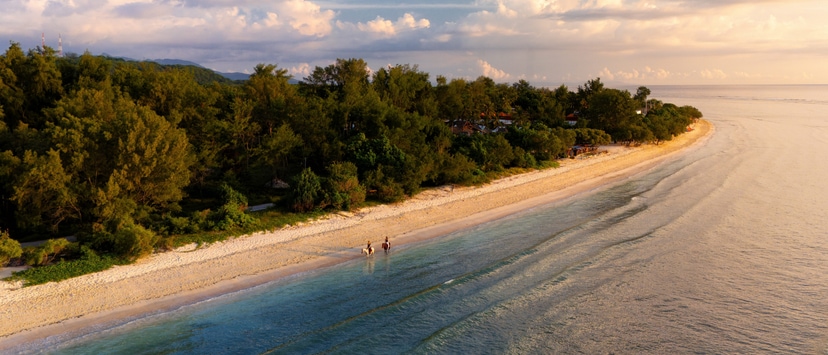
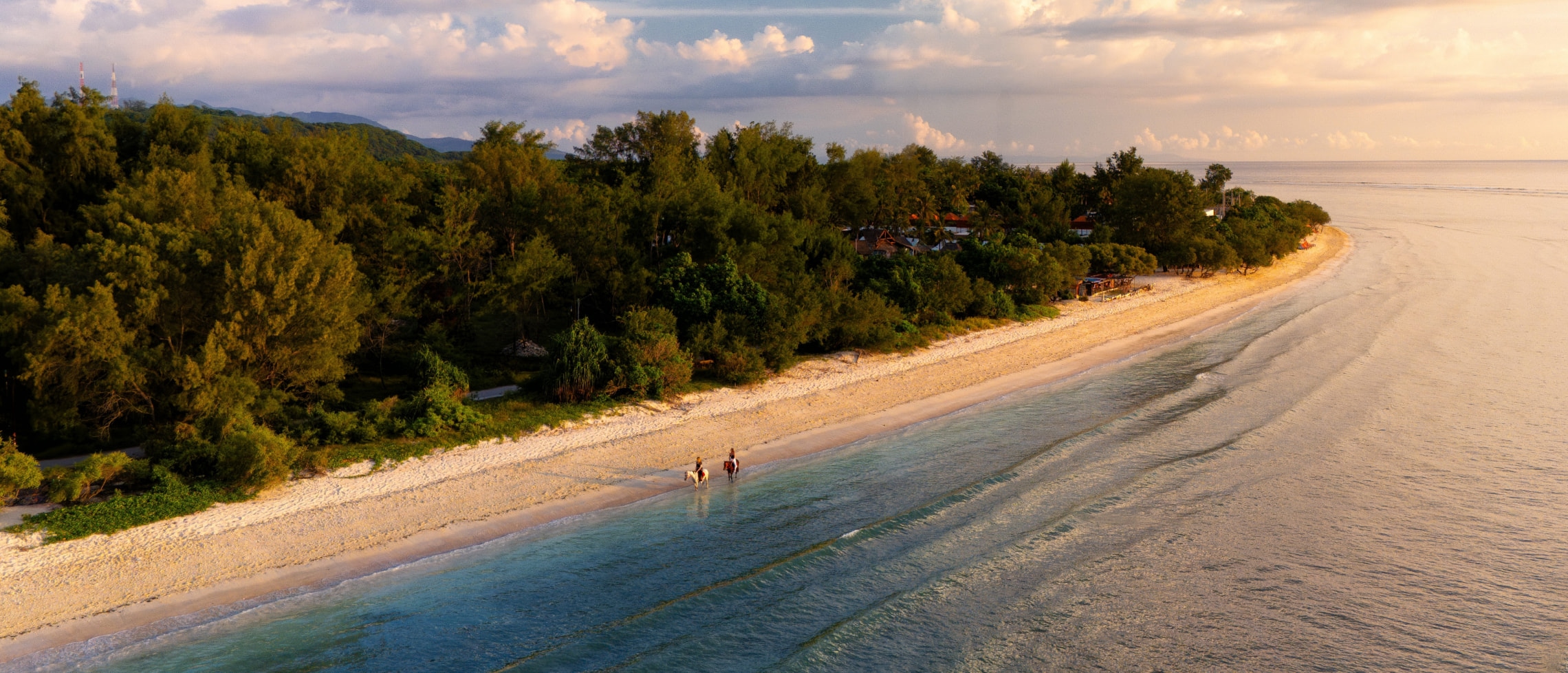
Travelers who arrive expecting a quieter Bali leave having seen something different. Drier hills, a volcano that sits at the north end of the island, the call to prayer before dawn. Some south coast beaches have a warung. Some have no road to reach them. And you can tell that Lombok has not been built for visitors the way Bali has. For most people who go, that turns out to be the reason they come back.
This guide is for travelers who want to learn more about Lombok before they arrive, not just as an add-on to their Bali itinerary. When to go, getting there and getting around, things to see and do, and where to stay. It covers what matters for your trip.
Getting to Know Lombok
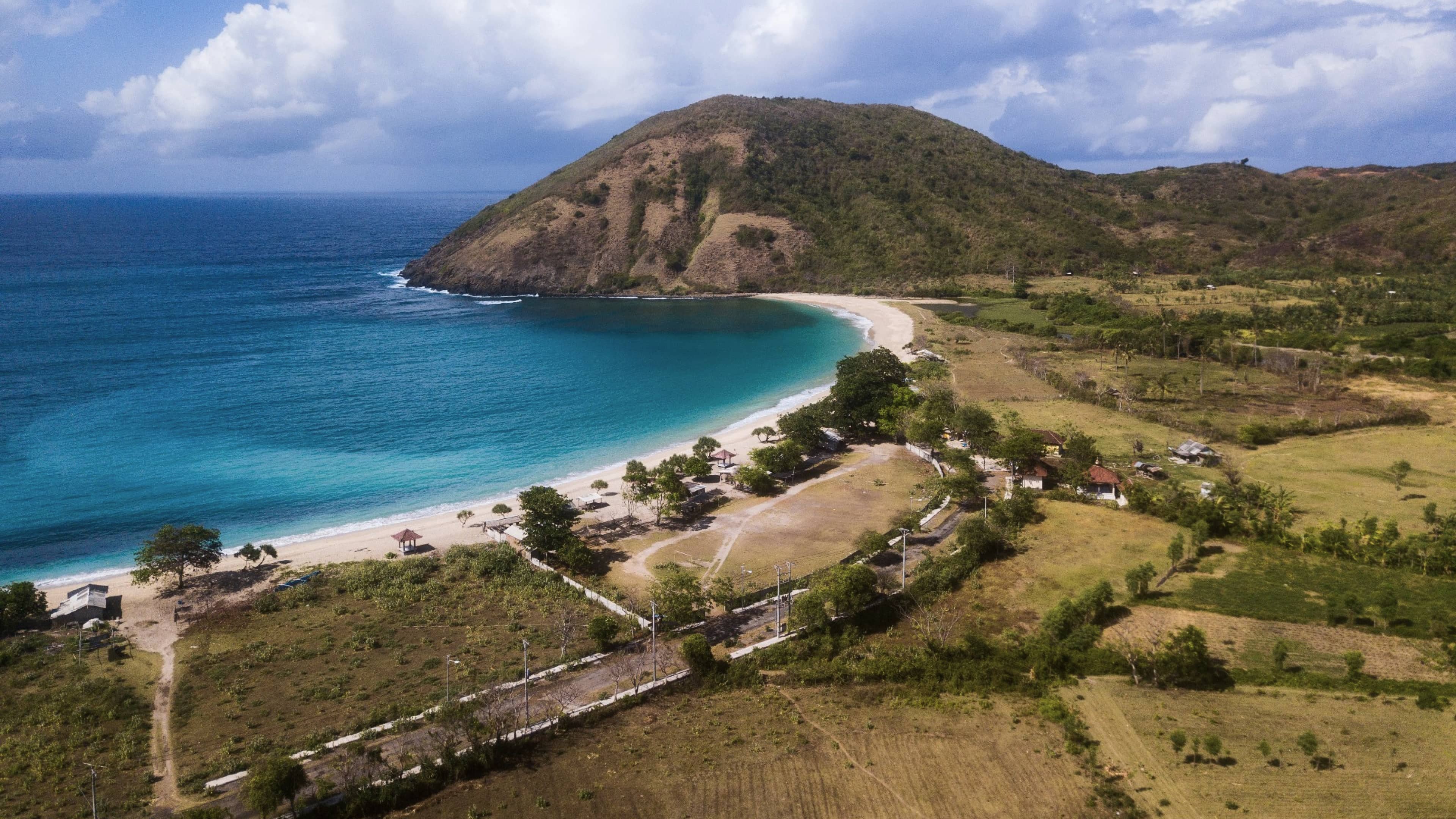
The difference between Bali and Lombok begins at sea. Approaching by fast boat, the vegetation shifts visibly as you cross the Lombok Strait. Bali's lush green turns into something drier, more open, with dry grass and rocky hills that feel completely different from the island you just left.
That physical difference carries through to everything else. Lombok moves at a different pace from Bali, with less noise, less density, and less of the infrastructure that tourism builds around itself. The mornings are quieter, the roads are emptier, and the island runs on its own rhythm.
Is Lombok better than Bali?
Bali has spent decades learning how to host. Temples, restaurants, culture, and activity are all packed here and easy to reach. Lombok is quieter, less mediated, and asks a little more of you. For travelers who would rather explore than be entertained, it tends to be the better trip.
When to Go: Climate, Seasons, and Best Months
Like the rest of Indonesia, Lombok has two seasons. The dry season runs from May to October, the wet season from November to April. Within that frame, the good window is narrower than what it might seem. May and September through October combine dry weather with significantly fewer visitors compared to the July and August peak. The beaches that feel crowded in August feel almost private in May.
There are two planning constraints that you should also consider. All trekking routes on Rinjani close from January 1 through March 31 every year. If the trek is part of your plan, plan your dates around it. And during Ramadan, local restaurants in most areas close during fasting hours, though some tourist areas such as Senggigi and the Gili Islands continue to operate normally.
How to Get to Lombok from Europe
There are no direct flights from Europe to Lombok. The two practical routings from Italy are Rome or Milan to Singapore, then direct with Scoot to Lombok's Praya International Airport (LOP); or Rome/Milan to Denpasar (Bali), then a 45-minute domestic connection on Citilink, Lion Air, or Garuda, or a fast boat crossing from Bali's east coast.
The fast boat deserves a word. The crossing from Padangbai or Amed takes between one and a half and two hours depending on sea conditions. As you approach from the sea, Rinjani appears and fills the sky for the remainder of the crossing. The 45-minute flight compresses all of that into a glance from a window seat. Either way, you will not miss Rinjani. Choose whichever suits your pace.
Lombok's airport is just different from Denpasar. It is smaller, calmer, and considerably easier to navigate. Baggage arrives faster since the airport is less crowded. For travelers who find Indonesian airports stressful, Lombok's airport is the easier entry point.
Getting Around Lombok
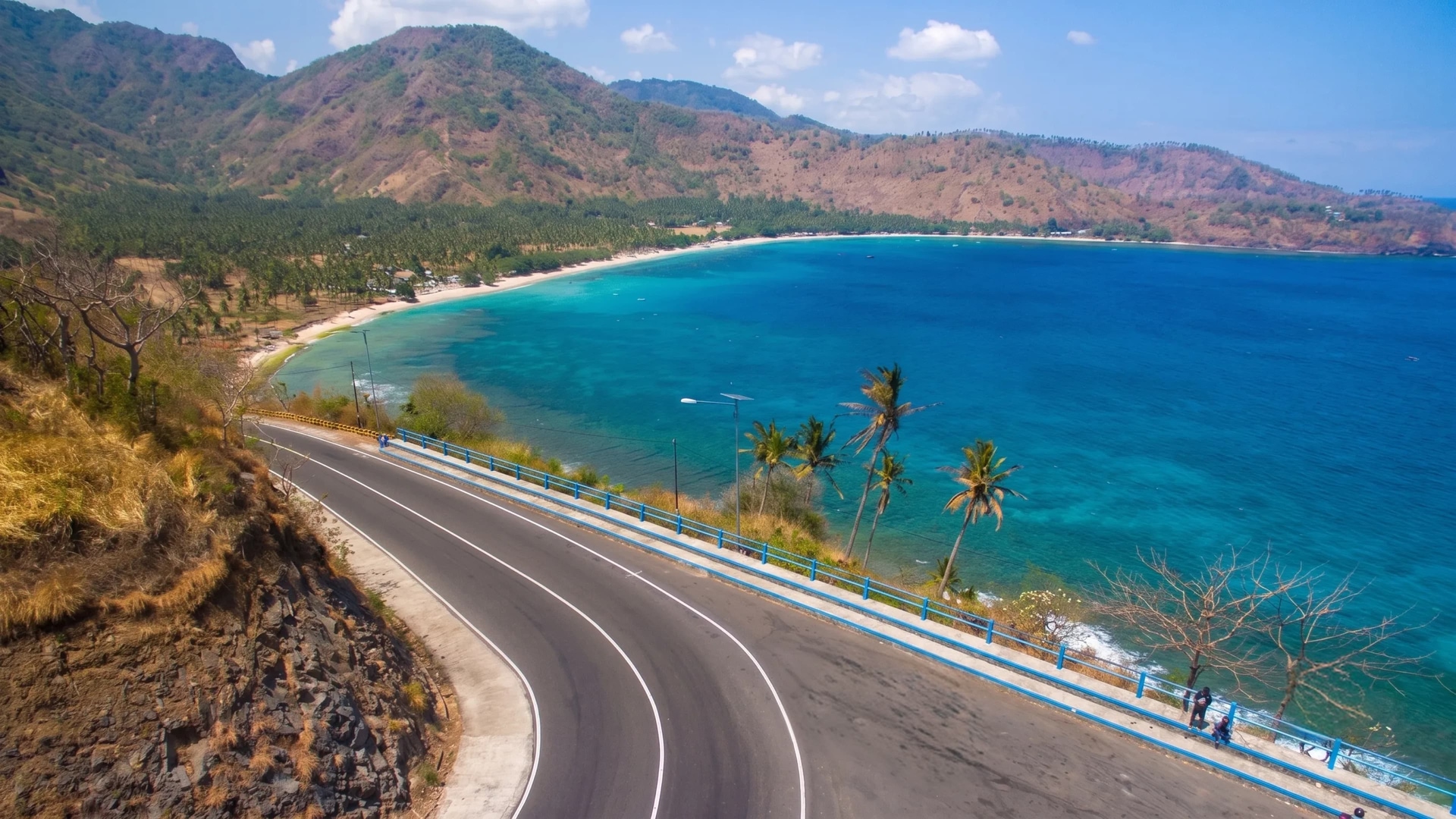
Grab and Gojek operate at the airport, in Mataram, and in Senggigi. On the south coast, in Selong Belanak, and in Senaru in the north, they are unavailable. This is not a minor caveat. Head straight from LOP to the south coast without a pre-arranged transfer and you might be on your own.
A private driver is the most reliable way to move around Lombok, and for most itineraries it is the right choice. The flexibility is especially valuable on the south coast, where apps do not reach and roads are not always on the map. That is where a driver who knows the island becomes more valuable than any navigation app.
For central Lombok and Senggigi, scooters work well. The south coast is where it gets more complicated. Main roads are generally manageable, but tracks to remote beaches and Sekotong can be rough and unpaved in ways that catch inexperienced riders off guard. Away from the main tourist areas, signal is weak at any hour, and after sunset roads get dark quickly with very little traffic. Plan your day around that.
The Southern Beaches: Lombok's Wild Coastline
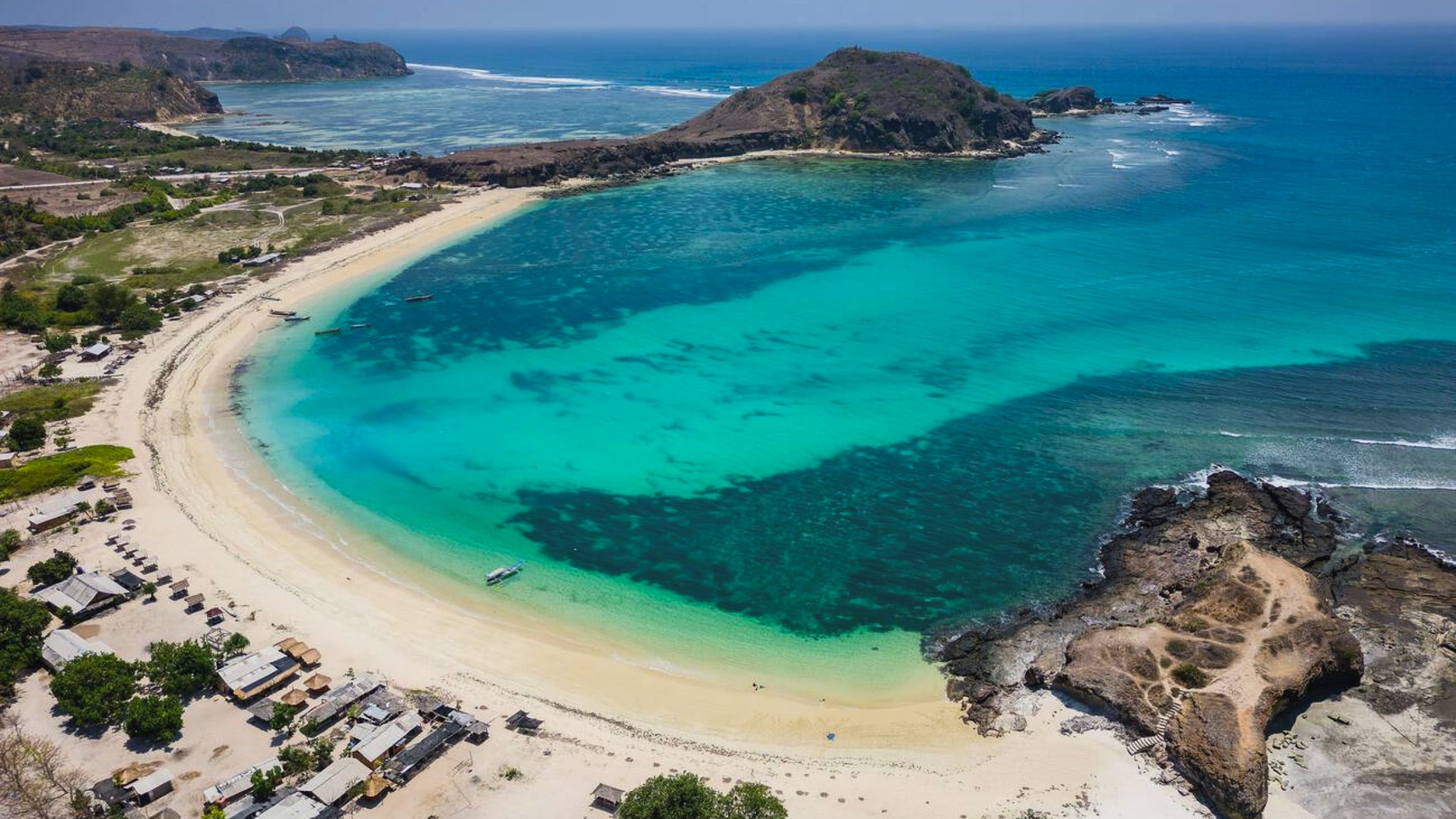
Tanjung Aan is the beach in every photograph, but there are actually two bays here, divided by a headland. The western bay is the one that gets photographed, while the eastern bay sees far fewer visitors and is noticeably quieter. From there, a short drive further east brings you to Mawun, a crescent bay that stays less crowded than Tanjung Aan even in peak season.
Selong Belanak sits 20 km west of Kuta, closer to the airport than Kuta itself, and offers calmer, more swimmable water than most south coast beaches. It is the right choice for travelers who want to actually get in the water rather than admire it from the shore.
Kuta, the main hub of the south coast, has changed. What was once a quiet fishing town now sits next to an active development zone, with construction and new hotel projects reshaping the area. Travelers expecting the Kuta of a few years ago may want to stay further west at Selong Belanak, or head east toward Mawi and Ekas instead.
Mount Rinjani and the Northern Waterfalls: Trekking and Nature
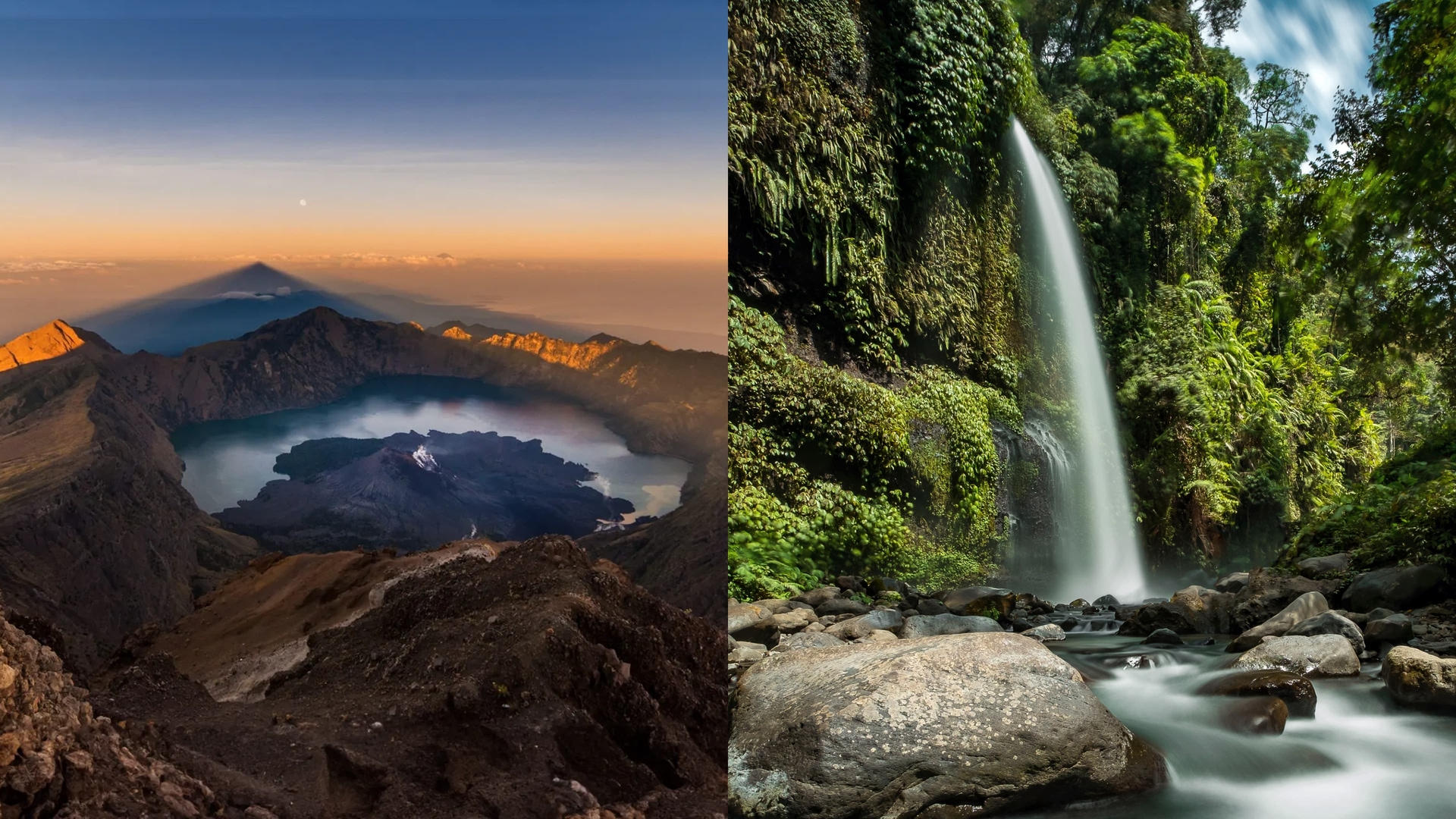
Rinjani is the reason some people come to Lombok specifically. At 3,726 metres, it is the second highest volcano in Indonesia and the defining physical feature of the island. The trek to the crater rim and Segara Anak lake is a serious multi-day trek, requiring advance planning and good fitness.
As of 2026, trekking Rinjani requires more advance planning than most guides make clear. All permits go through licensed operators via the e-Rinjani platform, and independent hiking is not permitted for foreign nationals. Your operator will also arrange mandatory trekking insurance, and a guide is required for every four trekkers at minimum. The three main routes (Sembalun, Senaru, and Torean) share a combined daily quota of 240 foreign trekkers. In peak season, June through September, that fills one to two months in advance.
Senaru is also home to two waterfalls worth the detour. Sendang Gile and Tiu Kelep sit on the same trail, accessible one after the other rather than as separate excursions. Sendang Gile is the closer of the two, ten minutes from the trailhead on paved stairs. Tiu Kelep requires a further 30 to 45 minutes through jungle with river crossing. Both waterfalls are worth the effort. Senaru itself is around 2 hours from Senggigi and 3.5 hours from Kuta, making it a realistic day trip from the west coast but a long one from the south.
Sasak Culture: Villages and Local Life
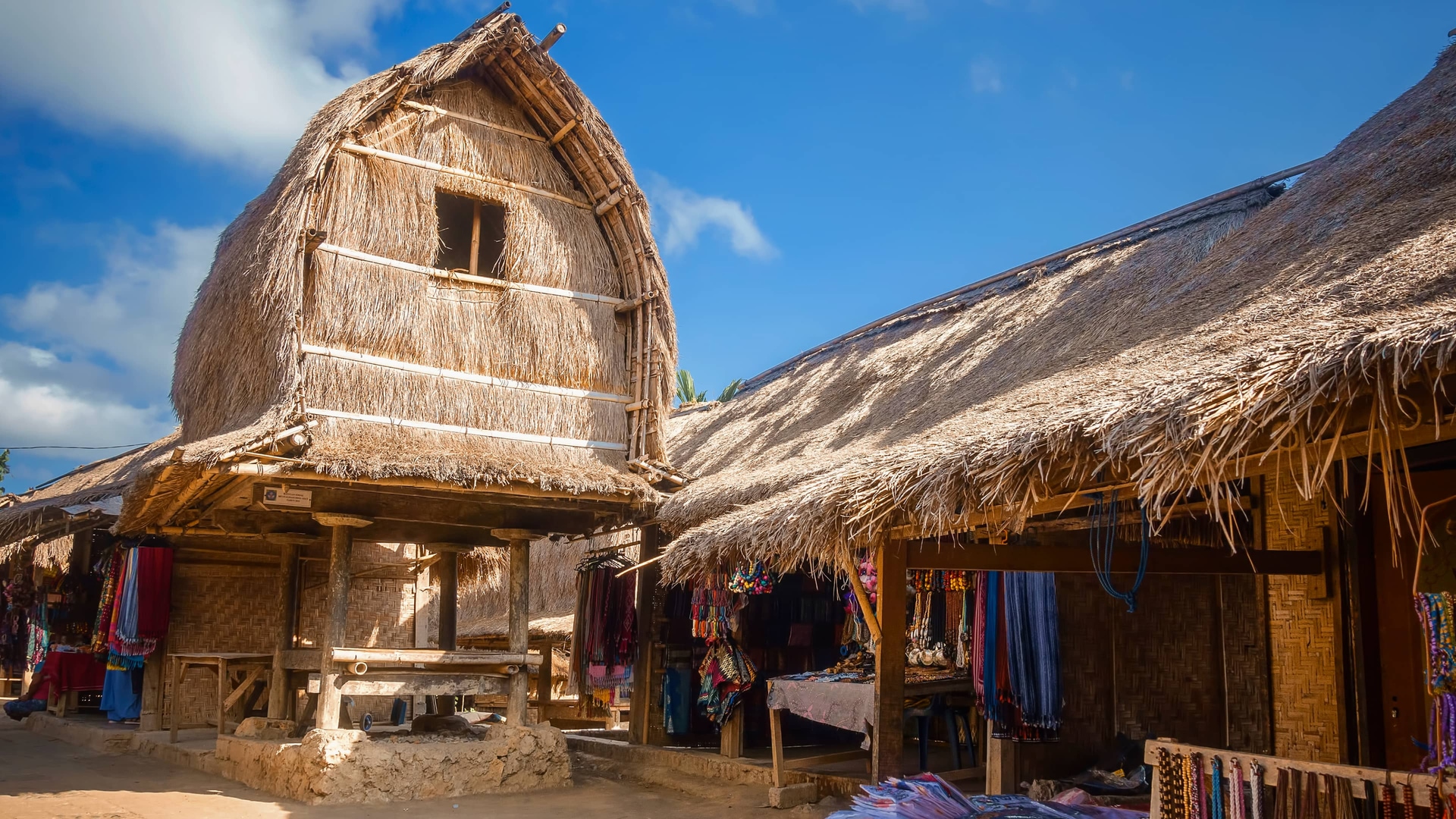
Sade Village is the most visited Sasak cultural site, and one of the few places in Lombok where the traditional Sasak way of life remains visible to outsiders. The thatched houses, hand-woven textiles, and traditional architecture are all present and worth seeing. It sees more visitors than most cultural sites on the island, and some interactions have become more rehearsed over time. That is worth knowing, but it is not a reason to skip it.
For a different kind of visit, Desa Wisata Hijau Bilebante in Central Lombok is a community-based tourism village rather than a heritage site. It has been supported by GIZ and recognized through national tourism awards, with income from visits going directly to local families. It sees fewer international visitors than Sade, and the experience tends to feel quieter and more grounded in everyday Sasak life.
The Gili Islands: Which One to Choose and How to Fit Them In
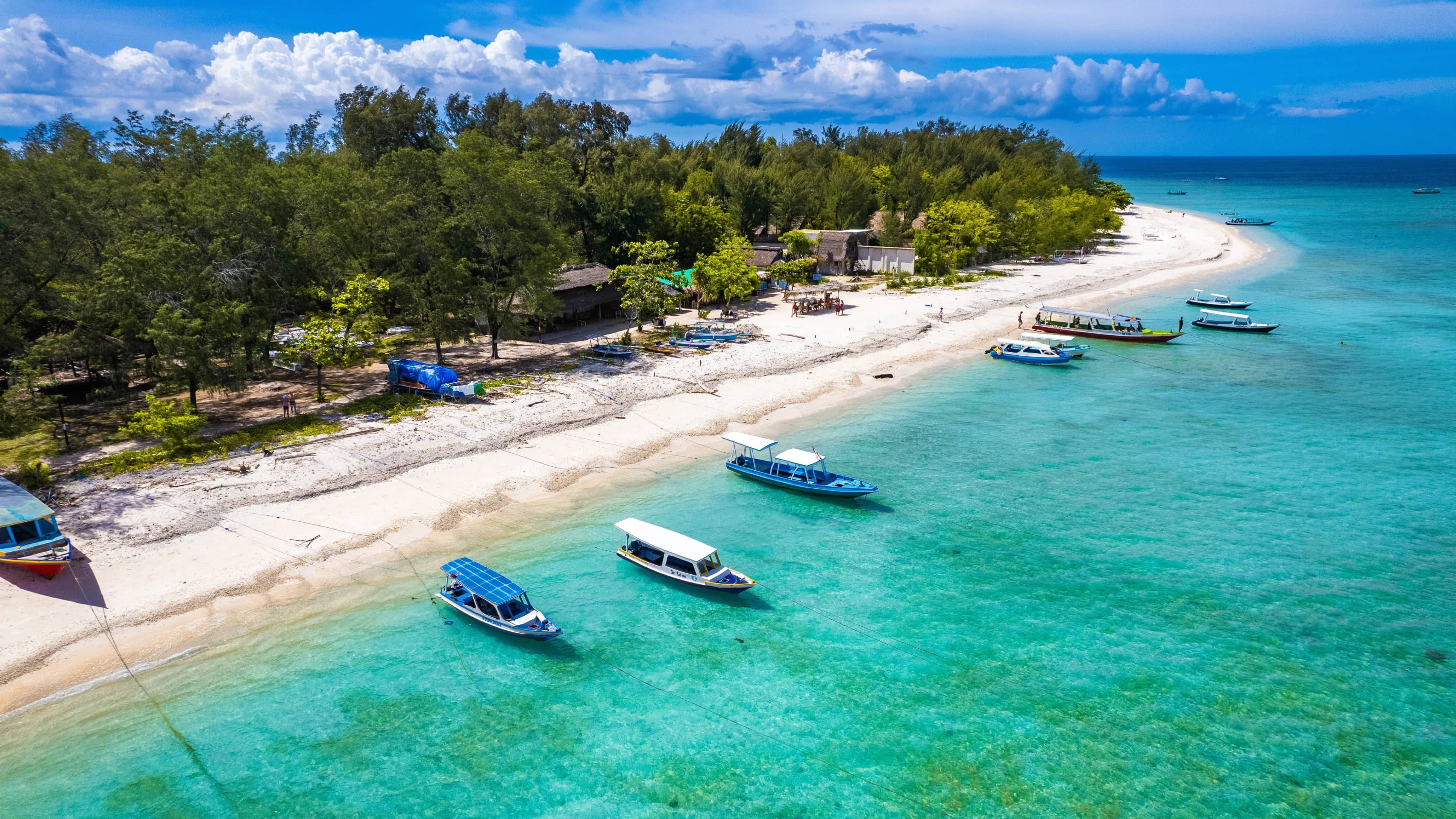
The three main Gili islands, Trawangan, Air, and Meno, are all car-free and accessible by fast boat from Bangsal harbor on Lombok's northwest coast, or directly from Bali. And they are not interchangeable.
Gili Trawangan is the largest and most developed. The nightlife is lively and the dive schools are excellent, making it a natural fit for those who want both. For a slow-travel itinerary, one night is the right allocation. Enough to experience Trawangan at your own pace and move on when ready.
Gili Air has a resident local population and a social café scene without all-night clubs. Days here are easy to fill with swimming, snorkeling, cycling, and lingering over sunsets. Two to three nights works well for travelers who want an island atmosphere without isolation.
Gili Meno is walkable in under an hour and offers the most consistent turtle encounters of the three islands. It is suitable for honeymooners and anyone who comes to slow down. Snorkeling visibility is best from April through October.
Where to Stay in Lombok: Based on Travel Style
Choosing the wrong area can easily add two or more hours of driving to each day. Take time to decide before you book your desired stay.
Tanjung / Medana Bay (northwest): The quietest of the main zones, with the highest concentration of boutique properties. Close to Bangsal harbor and the Gili Islands. Best for couples, honeymooners, or anyone who wants solitude without sacrificing access.
Senggigi (west coast): The most established tourist area, with sunset views over the Bali Strait and the largest variety of restaurants and services. A practical first-visit base for travelers who want to cover the whole island without committing to a single zone.
Selong Belanak (south, 20 km west of Kuta): The closest quality beach zone to the airport, with calmer water than most south coast beaches. A better base than Kuta itself for travelers focused on the south coast, especially with the ongoing development around Kuta.
Gili Meno: For those whose entire trip revolves around marine life, coral, and silence. No cars, no motorbikes.
Gili Asahan / Sekotong (far southwest): The quietest corner of Lombok, with eco-luxury properties that see very few international visitors. For travelers who want to disappear for a few days.
Visiting Lombok Responsibly
Dress modestly in inland areas. Long trousers and a top or scarf that covers the shoulders work well in villages, markets, and anywhere away from the beach. Outside the main tourist areas, modest dress is widely appreciated.
Pack out what you bring in. Bins are scarce outside main tourist areas across Lombok, so always carry your waste out. On Rinjani, leaving waste can result in being denied for future permits.
Use reef-safe sunscreen around the Gili Islands. Standard sunscreens often contain oxybenzone which causes coral bleaching, so you might want to bring your own reef-safe sunscreen before you travel, just in case.
Avoid alcohol in inland villages and local areas. It is available at licensed bars and restaurants in Senggigi, Kuta, and the Gili Islands. Outside these tourist zones, it is not part of daily life, and skipping it is a simple gesture of respect.
Planning Your Lombok Trip
Most guides treat Lombok as three or four days attached to a Bali holiday. For a traveler who wants to actually understand the island, covering the north, south, and at least one Gili, seven days is a comfortable baseline. Consider adding two or three more if the Rinjani trek is part of your plan. Some travelers arrive through Bali and work their way east toward Lombok and the Gilis. Others do it in reverse, ending back in Bali by fast boat. Either way works.
If you are building a Lombok itinerary and want to get everything right from the start, speak with a True Indonesia specialist and let us help plan your Lombok holiday.